Insights > Client Alerts
Client Alerts
New cabotage regulations expand time chartering to foreign vessels
July 21st, 2025
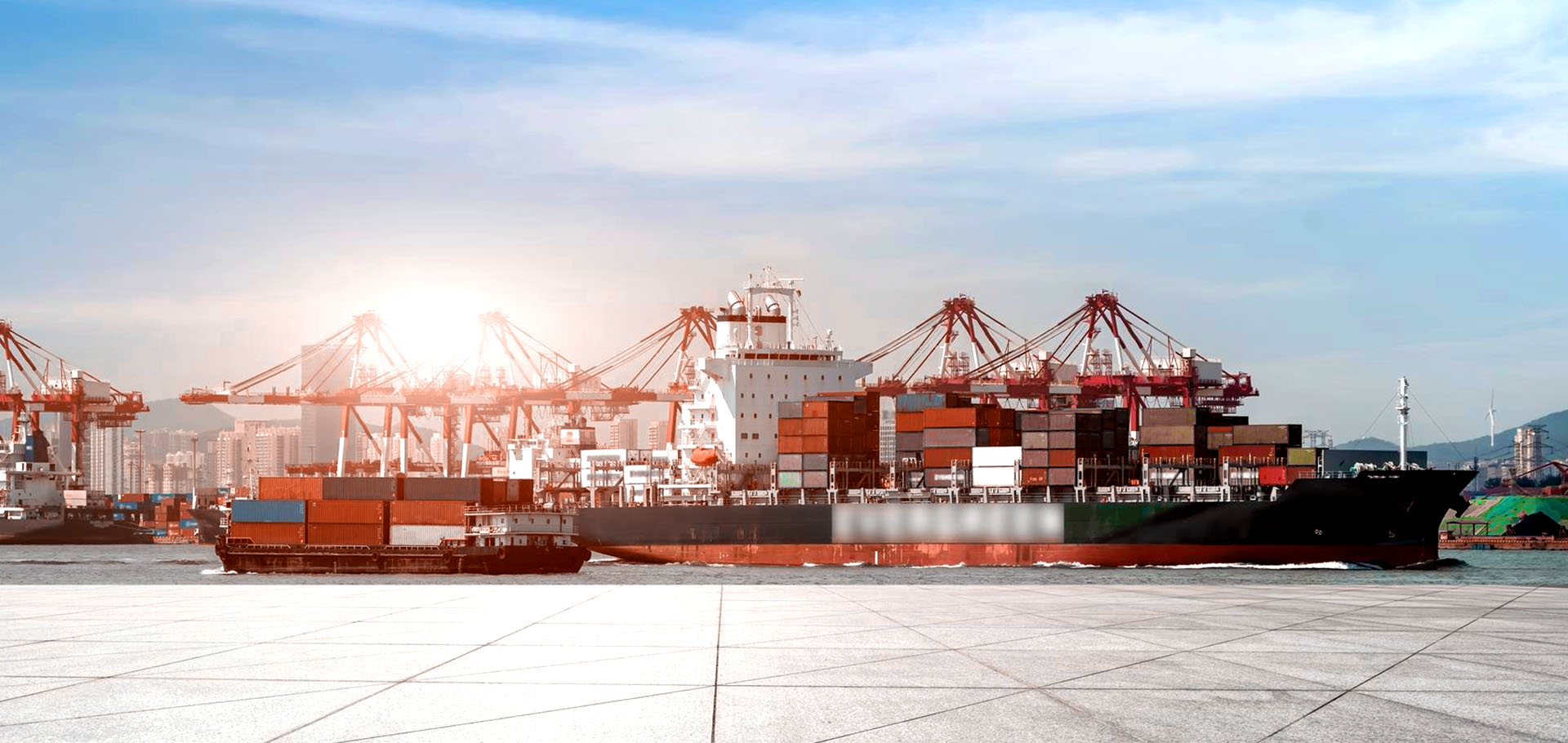
The Cabotage Transport Stimulus Program (“BR do Mar”), established by Law No. 14,301/2022 and recently regulated by Decree No. 12,555, aims to boost and expand cabotage transportation – navigation between ports or points within Brazil – by encouraging competition and the training of national seafarers. The regulations proposed by Decree No. 12,555 define criteria for using sustainable vessels and for time chartering.
In general, the new regulation aligns with other measures to sustain Brazilian infrastructure and its players, as outlined in the National Transport Policy, instituted by the Ministry of Transport, Ports and Civil Aviation (“MTPAC”) Ordinance No. 235/2018. The new BR do Mar regulations aim to encourage the sector’s sustainable development, prioritizing the safety of human life at sea and preventing environmental pollution caused by vessels through the standardization and modernization of the fleet—aspects directly related to carbon emissions and fuel use.
In turn, as a novelty in the Brazilian legal system, the new decree allows the time chartering of foreign-flagged vessels and their crew in cabotage by shipping companies, which was previously restricted to Brazilian vessels with a predominantly Brazilian crew.
Certain criteria must be met to benefit from this option. Time chartering is allowed in the following cases:
- cabotage operations for fleet expansion;
- replacement of a vessel under construction in Brazil, for a limited period;
- replacement of a vessel under construction abroad, for a limited period;
- compliance with long-term transportation contracts; and
- special cabotage operations, for a fixed period.
As an additional condition, chartered vessels operated by subsidiaries abroad must be owned by or under the possession, use, and control of a Brazilian company, through a bareboat charter contract.
In the specific case of fleet expansion, Decree No. 12,555 set limits based on the gross deadweight tonnage (“DWT”) of the chartering company’s existing Brazilian vessels.
The established proportions are as follows:
- 50% of DWT of own non-sustainable vessels for chartering non-sustainable vessels;
- 100% of DWT of own non-sustainable vessels for chartering sustainable vessels;
- 200% of DWT of own sustainable vessels for chartering non-sustainable vessels; and
- 300% of DWT of own sustainable vessels for chartering sustainable vessels.
These limits act as strong incentives for sustainable transport, demonstrating the ecological awareness and environmental commitment the Federal Government adopted in formulating the program.
The new regulations for the Cabotage Transport Stimulus Program will play a fundamental role in expanding national port activities, encouraging improvements in the quality of Brazilian waterway transport. In addition, the project reinforces the sector’s commitment to sustainability and expansion, in line with the public policies outlined.
Demarest’s Public and Regulatory Law and Infrastructure teams will monitor industry updates and remain available to provide any further clarifications that may be necessary.
Related Partners




Related Lawyers
Roberta Helena Chiminazzo
Lívia Sousa Borges Leal
Related Areas
Public and Regulatory Law Infrastructure, Transport and Logistics Maritime
Share